Anssi Lassila Visiting Professor at Institute of Science Tokyo
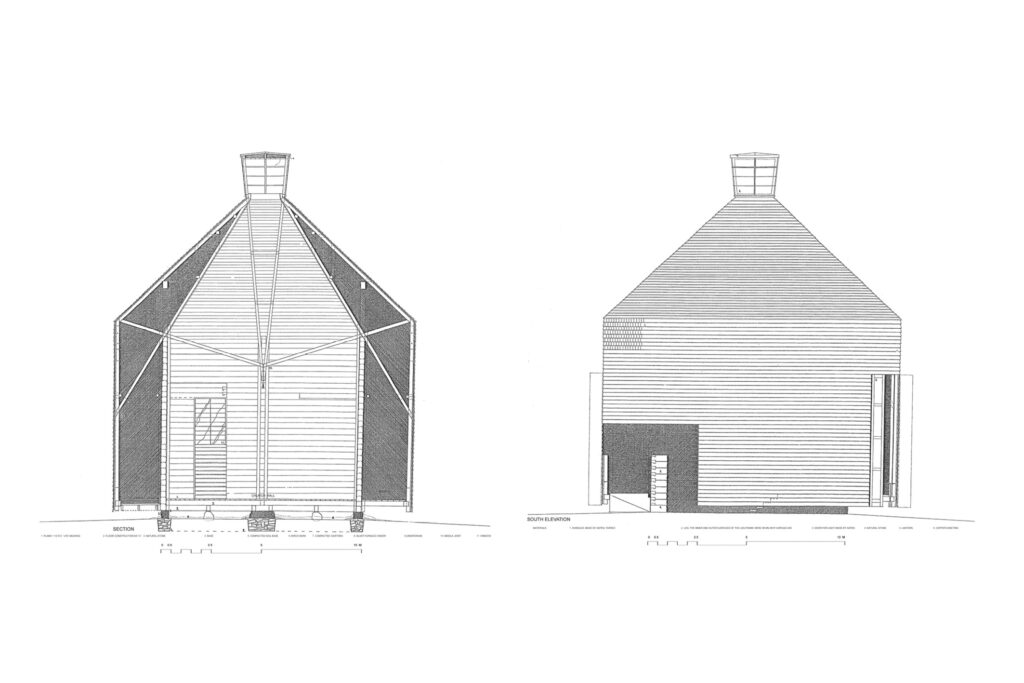
Anssi Lassila is invited as Visiting Professor at Institute of Science Tokyo, Department of Architecture and Building Engineering. During his term there, he is teaching a seminar on The Power of Drawing in Architectural Design.
A Curriculum Combining Design, Engineering and Humanities
The department of architecture is part of the School of Environment and Society. The program has an emphasis on creating innovative architecture and building cutting-edge structures and urban spaces. To give students a strong foundation, the curriculum spans a broad range of topics on design, engineering and humanities. It is composed of studies in design theory, the history of architecture, architectural planning, materials, as well structural and environmental engineering.
Developing an original viewpoint and acquiring the ability to communicate in a compelling and logical way, are an important focus in the education. Through the program, students gain expertise in architectural theory and a broad foundation in science and engineering. The goal is to prepare them with skills that make it possible for them to contribute to solving the world’s environmental and social challenges as architects, engineers and researchers.
For more information on the Department of Architecture and Building Engineering at Institute of Science Tokyo, see HERE.
The Power of Drawing in Architectural Design
Drawing is an important element in creating architecture. It is part of every step of the design process from the very beginning of defining the idea and giving shape to it, to identifying the essential elements that are relevant to the project, and to developing the concept all the way through to creating a full set of architectural drawings that serve as the blueprint for realizing the project in built form.
As part of the curriculum of Theory of Architectural Space and Planning, Anssi Lassila is teaching a studio focused the role of drawing and sketching in the process of creating architecture. Yoshiharu Tsukamoto, Professor of Architectural Design at Science Tokyo and partner of Atelier Bow Wow, will join him in guiding the course. Through practical exercise in drawing, the workshop aims at developing an understanding the power of drawing as a key tool in architectural design.
To give an introduction to the theme of drawing, Anssi Lassila will hold a lecture on the power of drawing as a key element in the process of creating architecture. In the talk, he will share thoughts about his personal experience in using drawings in the process of architectural design. The lecture is part of the course requirements for the drawing studio. It takes place at Institute of Science Tokyo on October 31, 2024 at 13:30.
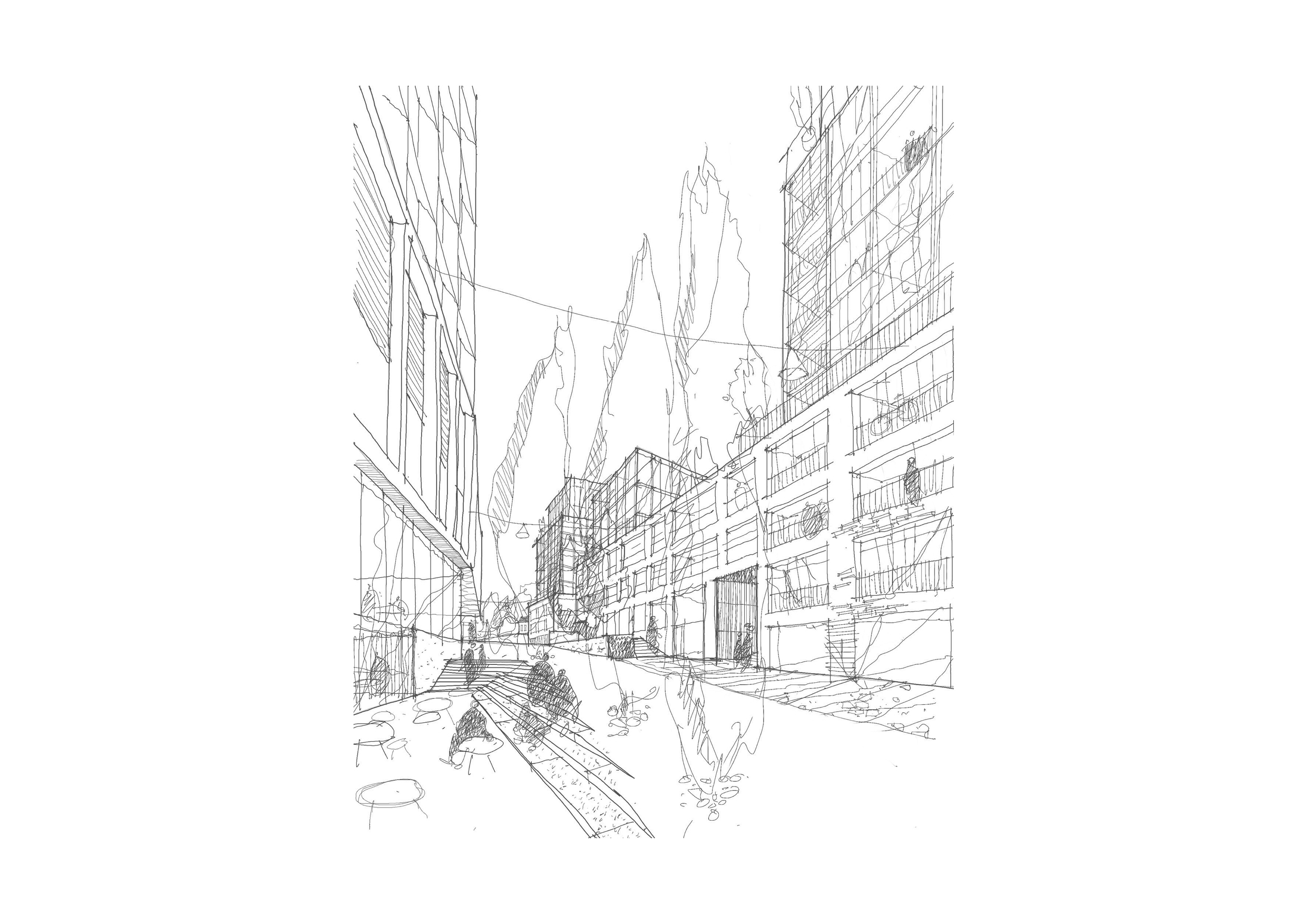
Exploring the City through Drawing
Exploring specific sites in the city by drawing aspects of them, the goal is to catch the essence of the place. Using sketching as a tool for analyzing the site, students will observe the dynamics of life there. From the initial sketches of the site they will proceed to investigating alternative approaches through drawing. The goal is to form an understanding of what is going on in the site and how people are using space there.
Students are expected to explore the site and to develop an understanding of it through sketching and drawing. There will be a series of studio critiques and reviews to help students define and develop their ideas into a concept through drawings. The work involves a combination of group work and individual work.
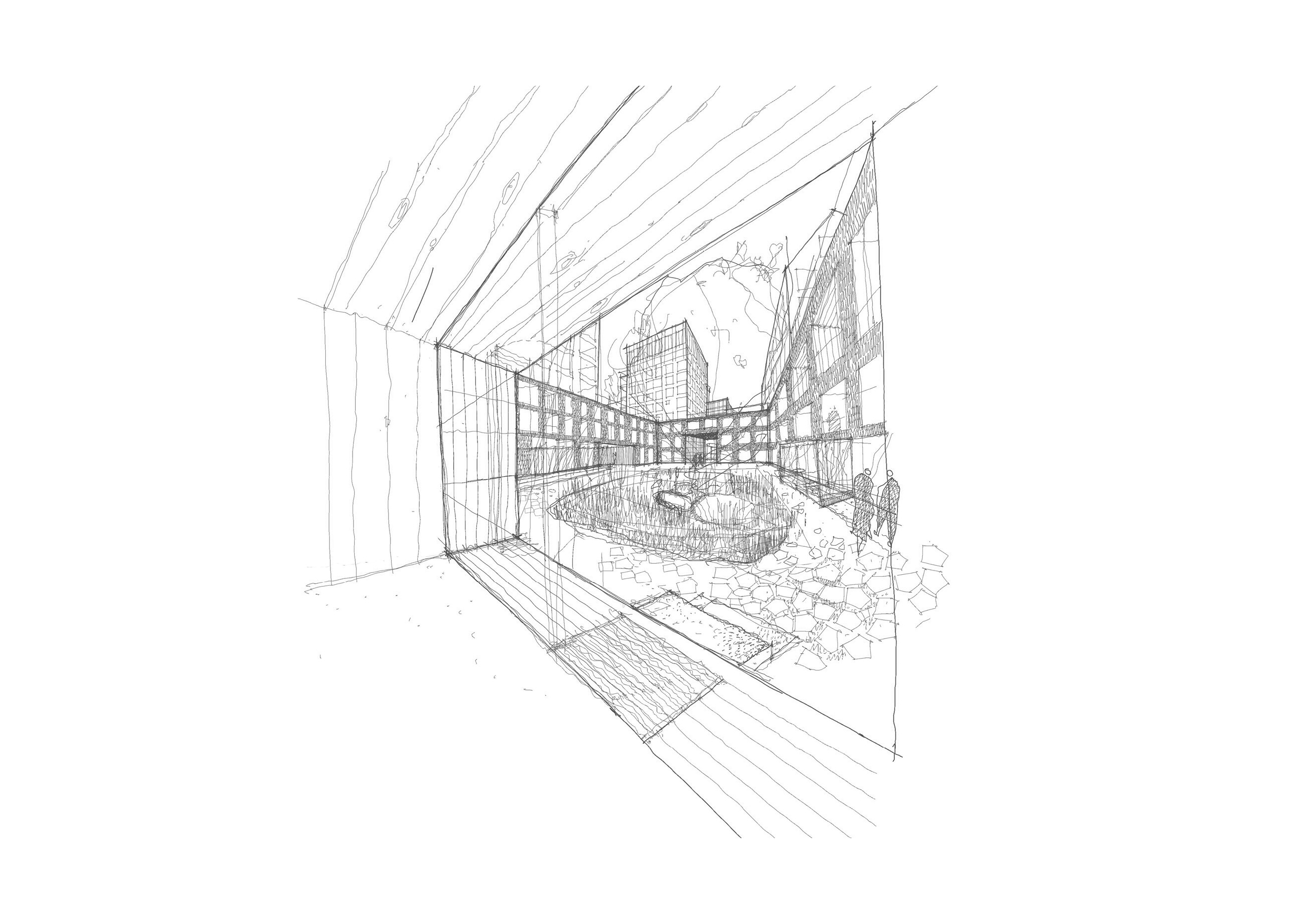
Drawing as a Tool for Both Analysis and Communication
Drawings are used both as a tool for analysis as well as a means of communication. The process of sharing ideas within the group using drawings as a medium is an important part of the process. The goal is to arrive at a synthetized view in which the individual perspectives of the group members together form a compelling presentation of the group’s shared understanding of the site.
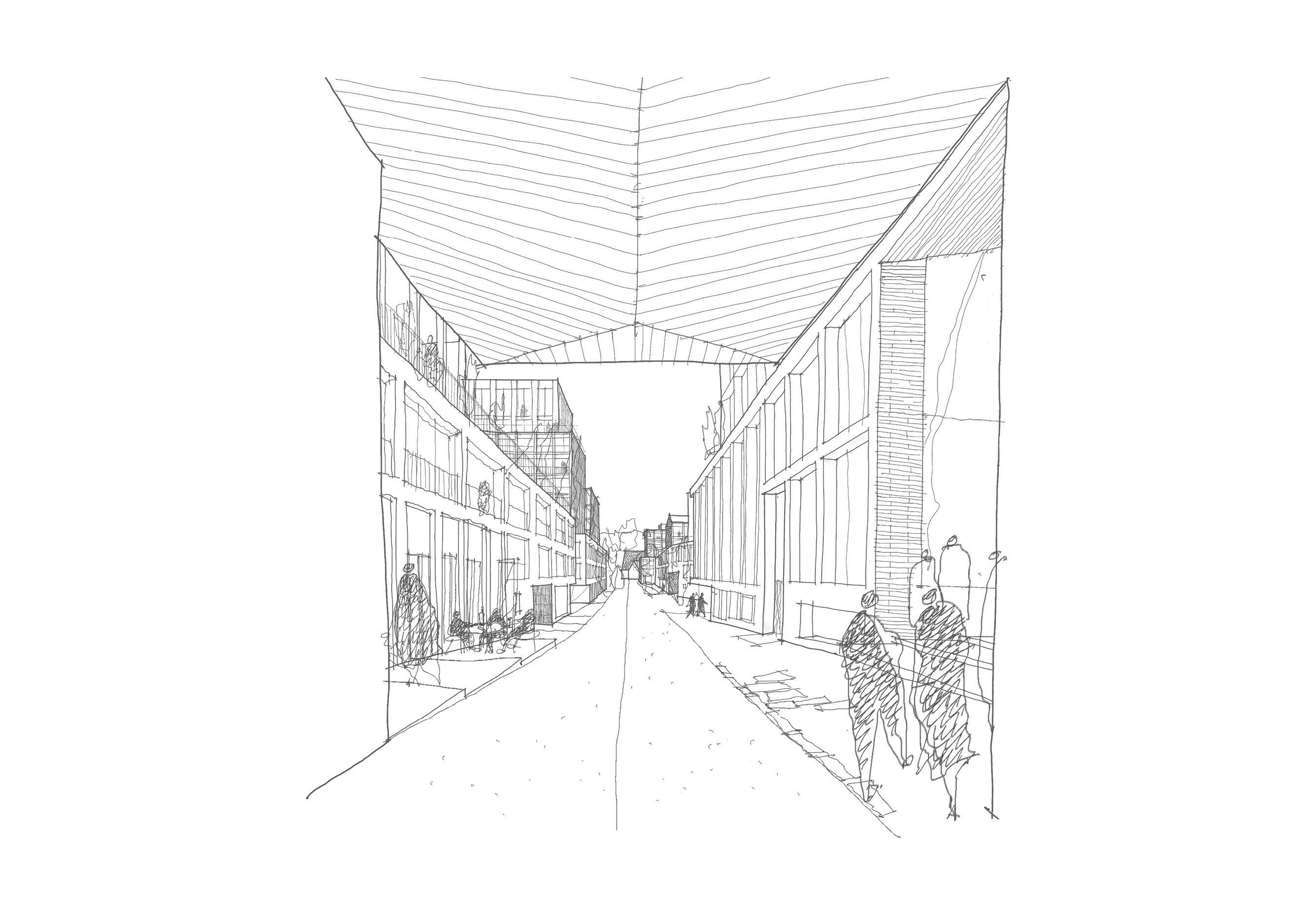
Based on their analysis, each group will eventually create a large composite drawing representing their shared understanding of the site. To best capture the essence of the place as it is understood by the group, the component parts drawn by the individual group members will be combined to create the final drawing. In this way, the process is informed by the individual perspectives of each member. The final product is a reflection of the shared vision of the group as a whole.
The format of the final drawing will take shape during the process of sketching and drawing. These large drawings can be composed in various ways by putting together components created by the individual group members. They can contain different kinds of elements, for example, maps, sections, elevations, projections, or other.