New Book on The Oulu School of Architecture — Reverberations
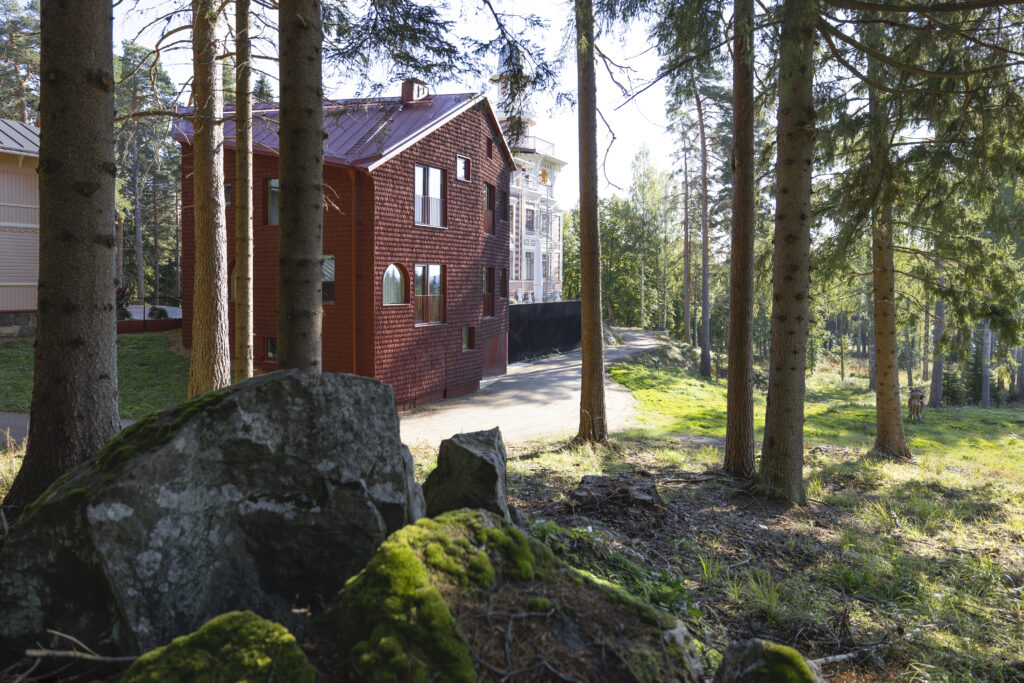
The Oulu School of Architecture — Reverberations reflects on the legacy of the Oulu School of Architecture and its relevance to the practice of architecture today, 50 years after the emergence of the movement in the 1980s. To mark the launch of the publication, a panel discussion was held at the Proto Design Center in Oulu today, on April 18, 2026.
The publication is edited by Anni Vartola, an architecture researcher at Aalto University togther with Petteri Kummala, Head of Research at Museum of Architecture and Design. With a foreword by Anna-Maija Ylimaula, a long-term professor at Oulu University, the book provides essays examining the history of the Oulu School supported by interviews conducted by Jonni Roos and Anni Vartola. There are also two essays with voices of contemporary practitioners who received their architecture education in Oulu in the years following the peak of the Oulu School. One of them is by Anssi Lassila and the other by members of the JEESJEESGOOD collective.
To give the audiences an opportunity to learn more about the work of the Oulu School, there is also an exhibition of the history of the Oulu School of Architecture. It is on view at the Proto Design Center in Oulu during the spring (March 20 – May 23, 2026). The exhibition is part of the Oulu2026 European Capital of Culture year program.
- To learn more about the publication, visit the publisher’s website HERE.
- For more information on the exhibition (in Finnish), visit the Proto Design Center homepage HERE.
- To find out more about the panel discussion event, see HERE.
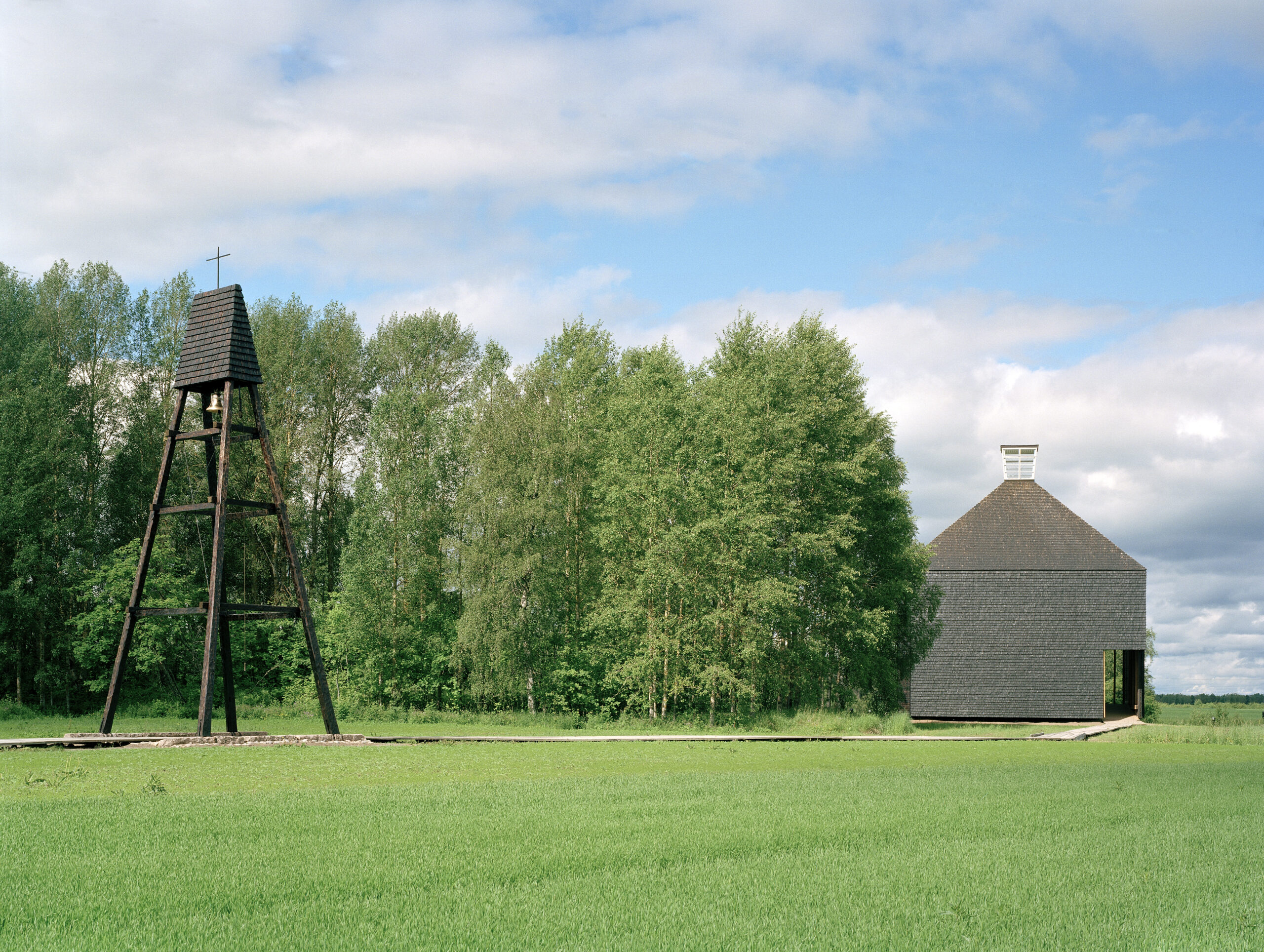
Contemporary Architecture is Dead – Long Live Architecture!
In his essay, Contemporary Architecture is Dead – Long Live Architecture!, Anssi Lassila reflects on the importance of the Oulu School within his personal architectural trajectory. For him, it has served both as a lasting source of inspiration and as a springboard for developing his architectural thinking and practice.
After two decades of professional practice, Anssi Lassila returned to the Department of Architecture at the University of Oulu in 2020 as a professor of practice. This role has given him an opportunity to engage with new generations of architects and to reflect on how the Oulu School’s approach resonates today – how its principles might be reinterpreted and applied within the conditions of the 2020s.
Summing up what the Oulu School’s way of thinking represents for him, Anssi Lassila notes that it is, above all, about the courage to act. It is about a willingness to pursue resourceful – and, when necessary, boldly maverick – solutions tailored to the specific needs and context of each project. The Oulu approach resists convention and refuses to follow prevailing trends unquestioningly, he writes. Instead, it seeks to produce architecture that is visually distinctive, functionally convincing, and technically grounded – architecture that emerges from, and responds to, its particular temporal and geographical conditions. As an approach, it continues to provide a rich source of insight for architectural thinking today.
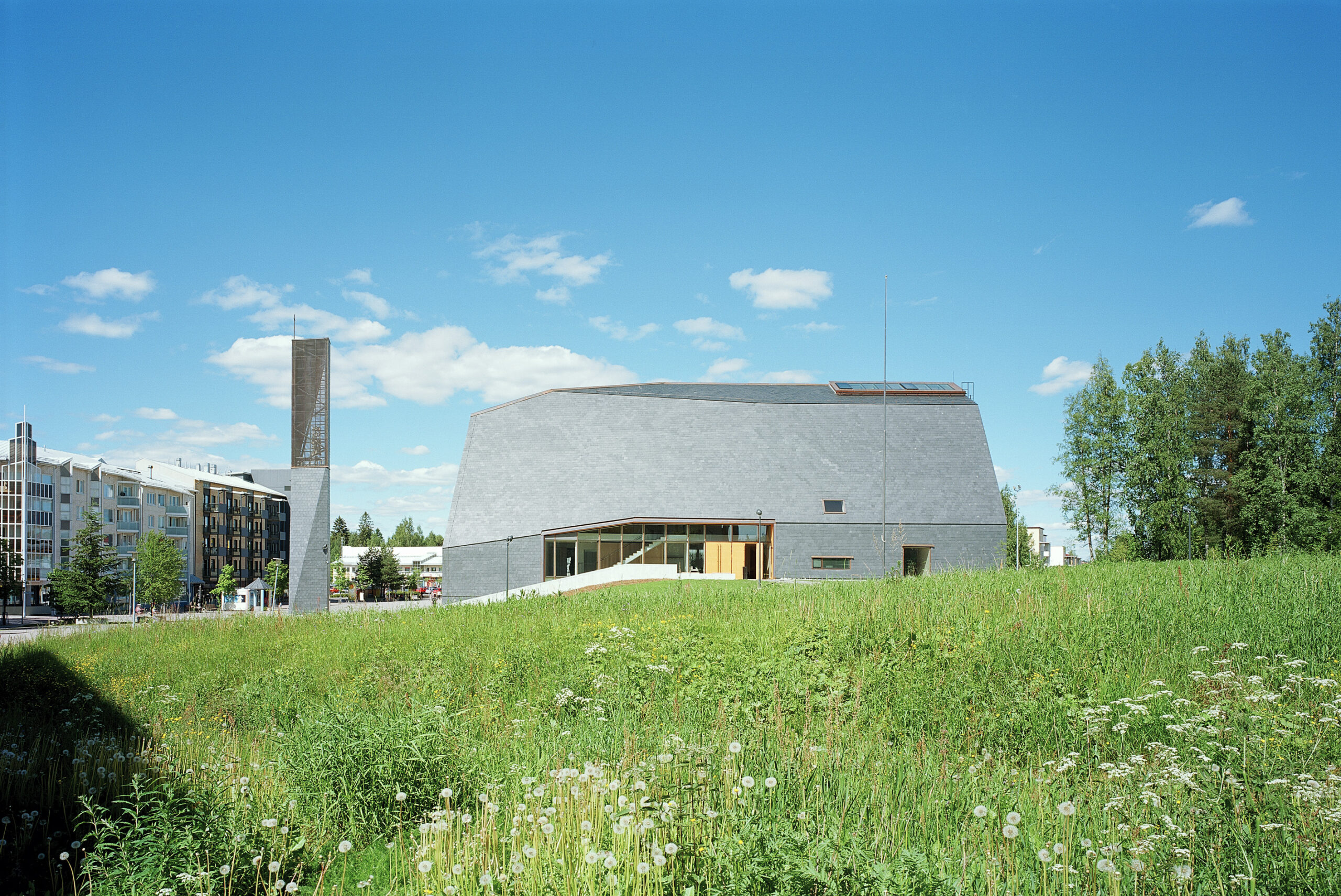
The Oulu School of Architecture
The Oulu School refers to an architectural movement that emerged in northern Finland in the 1980s. Often considered as one of the most interesting and most controversial trends in the recent history of Finnish architecture, it opened the doors to postmodernism in Finland. With a perspective that pays particular attention to local specificities, the views of the Oulu School continue to be pertinent today, in the era of the climate crisis.
Challenging the doctrines of modernism, a group of young architects from the University of Oulu sought a new, distinctive, and human-centered approach to design. They aspired to find a new relationship with locality, people’s everyday lives and traditional architecture. Largely influenced by the teaching of Professor Reima Pietilä, they began to question the formulaic nature of modernism that prevailed in Finnish architecture at the time.
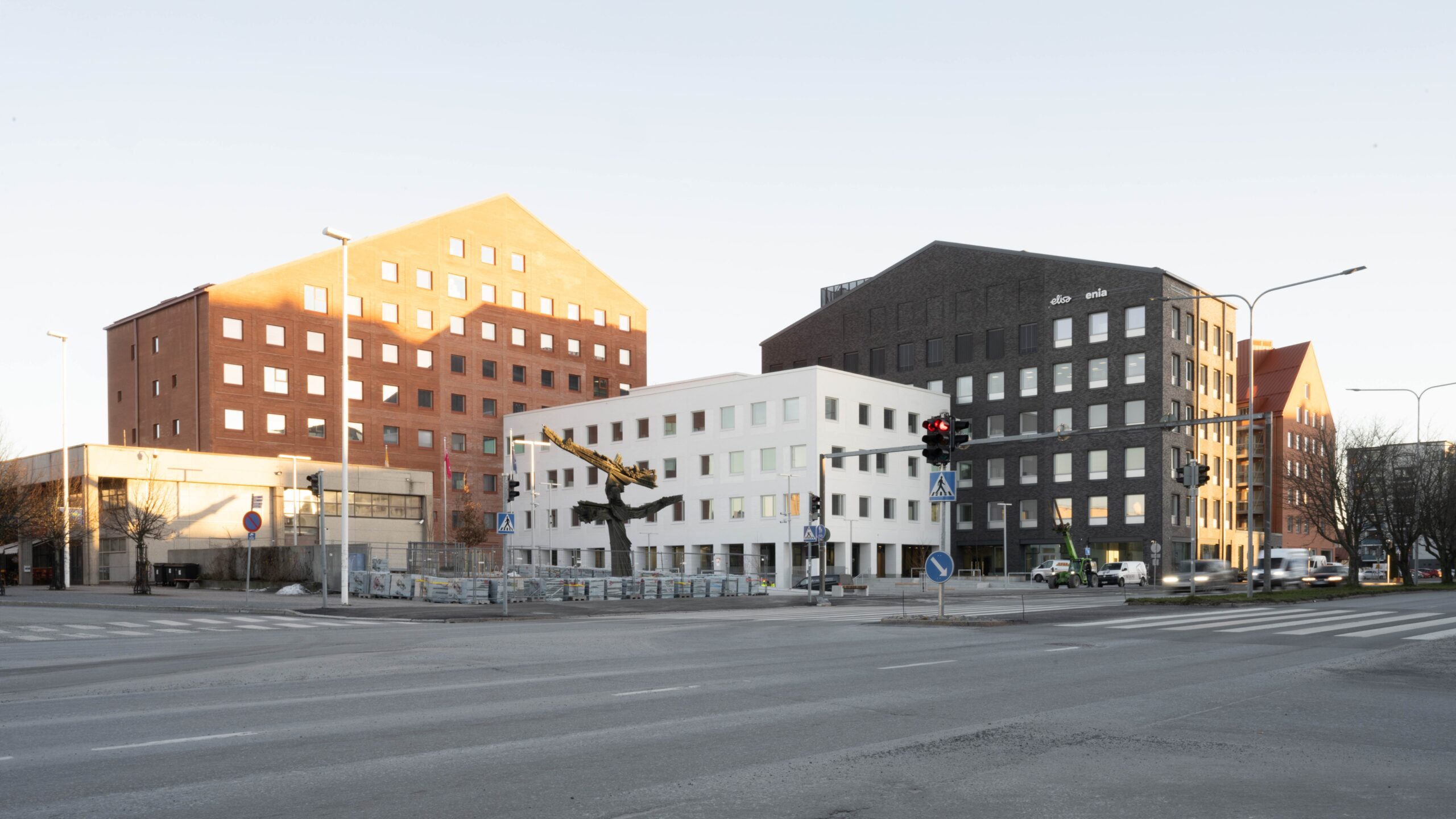
Combining International Influences and Local Identity
During his tenure from 1973–79, Pietilä introduced the students to the latest international developments in architecture. Engaging in active discussions during lessons, he encouraged them to break away from the framework of modernism. This broadened the understanding of architecture as a pluralistic artistic activity. Young architects began to show a freer treatment of architectural forms and gestures referring to historical layers. They also developed an interest in local materials and building traditions.
Out of those discussions emerged a way of thinking that emphasized locality on the one hand and was influenced by postmodernism on the other. There was a desire to open architecture to new cultural meanings, locality, and history. The context of the Oulu region and northern Finland more broadly provided a particularly interesting environment for this. – Located on the Arctic periphery, the Oulu School of Architecture is the world’s northernmost architecture school. – Striving to bring human scale and tactility to architecture, a sense of materiality, the handprint of the builders, and a resonance with local stories, were seen as an important starting point and inspiration for building design.
The influences of postmodern architecture were combined with the local landscape and cultural identity. Emphasizing the idea of architecture that arises from a place, its history, local materials, and working methods, the local conditions were highlighted. The cycle of the year, the variations in the quality and amount of day light in the north, and the vast landscape were seen as strengths to draw from in creating architecture. The buildings are rooted in the place through their materials and scale. The finished building is seen a unique response to how the environment, culture and history are present in the spirit of the place.